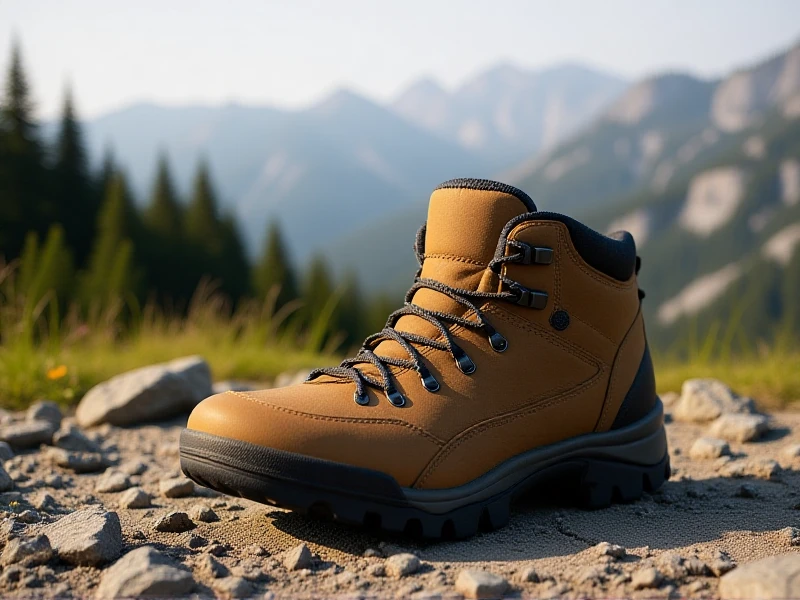
The Ultimate Guide to Choosing the Best Hiking Boots for Your Adventures
Finding the perfect hiking boots is crucial for enjoying the outdoors safely and comfortably. Whether you're tackling gentle trails or challenging mountain treks, the right footwear provides essential support, protection, and stability. Understanding the key factors will help you choose the ideal pair.
First, consider the type of hiking you mainly do. Light hiking boots are fantastic for well-maintained trails and day hikes. They're generally lighter and break in quickly, offering a good balance of flexibility and ankle support. For rougher terrain, backpacking with heavier loads, or multi-day treks, medium-weight hiking boots provide increased ankle support and stability. They offer more substantial protection against rocks and roots. The heaviest-duty option is mountaineering boots, designed specifically for technical ascents, often featuring crampon compatibility and extreme weather protection.
Prioritizing fit is absolutely non-negotiable. Ill-fitting hiking boots are a guaranteed recipe for blisters and misery. Always try boots on later in the day when your feet are naturally more swollen. Wear the exact hiking socks you plan to use. Ensure ample wiggle room for your toes, especially on downhill sections, and check that your heel feels securely locked without any slippage. Walk on an incline if the store has one – it makes a significant difference.
Waterproof hiking boots are incredibly popular, especially for wet climates or muddy trails. Membranes like Gore-Tex are highly effective at keeping moisture out while allowing sweat vapor to escape. They are essential if you often hike in damp conditions. However, if your hiking adventures focus on dry, arid environments, non-waterproof boots offer superior breathability, keeping your feet cooler and drying much faster if they do get wet.
The outsoles are vital for traction. Look for deep, multidirectional lugs made from grippy rubber (Vibram is a common, reliable brand). The midsole provides cushioning and support, with various densities of EVA foam or sometimes polyurethane. A well-constructed rubber rand wrapping around the toe and sides offers excellent protection from scuffs and rocks.
Durability largely depends on the upper material. Full-grain leather hiking boots are exceptionally durable and naturally water-resistant, though heavier and requiring more break-in time. Split-grain leather (often combined with mesh/nylon) offers a good blend of weight, durability, and breathability. Synthetic materials are typically the lightest and quickest to dry.
Don't forget about maintenance! Cleaning off mud and debris after your hike and periodically treating leather uppers greatly extends the life of your hiking boots. Take the time to find a pair that fits impeccably and matches your primary hiking style. Investing in quality hiking boots makes every step of your adventure far more enjoyable and ensures your feet stay happy mile after mile.
Discover your perfect pair and explore the trails with confidence!