Discover the Best Hiking Shoes for Unforgettable Adventures
Finding the perfect hiking shoes transforms challenging trails into enjoyable journeys. Whether navigating rocky mountain paths, muddy forests, or desert landscapes, superior footwear prevents blisters, boosts confidence, and keeps you hiking longer. But with countless options available, choosing the right pair requires insight.
Why the Right Hiking Shoes Matter Your feet carry your entire weight plus a pack load. Ill-fitting or inadequate hiking shoes lead to fatigue, instability, and injuries. Quality hiking shoes provide essential protection, stability, and traction. Sturdy soles shield feet from roots and rocks, while engineered midsoles absorb shock, reducing joint strain. Proper arch and ankle support prevent sprains on uneven terrain, letting you focus on nature’s beauty.
Key Features to Consider
- Traction & Outsoles: Look for deep, multi-directional lugs made of sticky rubber like Vibram® for reliable grip on wet rocks, loose gravel, and dirt. Aggressive tread patterns shed mud efficiently.
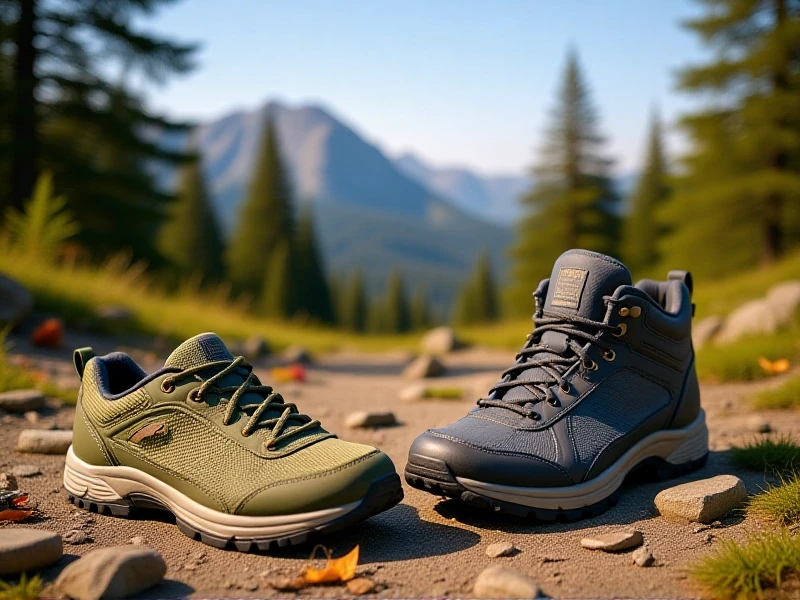
- Support & Stability: Mid-height hiking shoes often offer better ankle support for rugged trails, while low-cut versions offer lightness for well-maintained paths. A firm shank enhances stability over rocks.
- Comfort & Fit: Breathable yet waterproof membranes (like Gore-Tex®) are vital for variable weather. Cushioned midsoles enhance comfort during long distances. Always try hiking shoes on with your hiking socks and ensure toe room.
- Durability: Reinforced toe caps and abrasion-resistant materials (nubuck leather or synthetic mesh) ensure long-lasting performance. Check stitching quality.
Trail Runners vs. Hiking Shoes vs. Boots
- Trail Runners: Ultralight, flexible, great for light packs and fast hiking on smooth trails. Less stability and foot protection. Not ideal for heavy loads.
- Hiking Shoes (Low/Mid Cut): Ideal balance for most day hikes and moderate terrain. Offer protection, support, and breathability without heavy weight.
- Hiking Boots (High Cut): Maximum support and ankle protection for technical trails, heavy packs, or carrying weight. Excellent durability but often heavier.
Finding Your Perfect Fit Always try hiking shoes in the afternoon when feet swell. Wear the socks you'll hike in. Your heel shouldn't slip, toes need space (about a thumbnail’s width), and the width should feel snug without pinching. Walk on an incline/decline if possible.
Care Makes Them Last Extend the life of your hiking shoes. Remove dirt after hikes, let them air dry naturally (never near direct heat), and periodically reapply waterproofing treatments. Store them away from sunlight and moisture.
Ready for Your Next Adventure? Investing in high-performance hiking shoes elevates your outdoor excursions from mere walks to heart-pounding discoveries. Prioritize fit, function, and terrain demands. Don't compromise on foot comfort – your trail adventure deserves the best foundation. Step confidently towards your next summit.