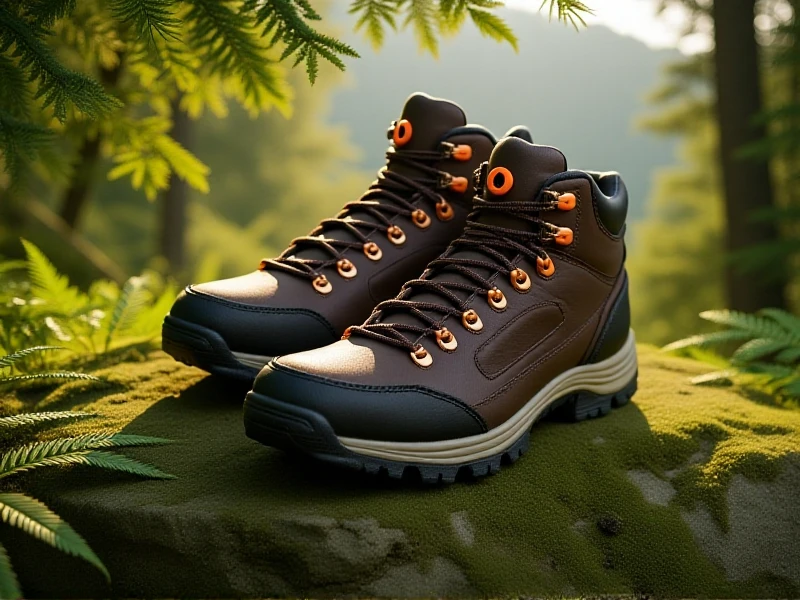
Find Your Perfect Hiking Shoes: The Ultimate Trail Companion Guide
Finding the right hiking shoes is crucial for comfort, safety, and fully enjoying your outdoor adventures. The wrong pair can turn a scenic trail into an ordeal, while the perfect hiking shoes feel like an extension of your feet, providing support and protection mile after mile. This guide helps you navigate the key factors in choosing your ideal trail footwear.
First, assess the terrain and your hiking style. Hiking shoes come in various categories:
- Lightweight Trail Runners/Shoes: Ideal for well-maintained paths, day hikes, and fast, light packing. They offer flexibility and quick drying.
- Mid-Weight Hiking Shoes: The versatile sweet spot. Offering more ankle support and underfoot protection than trail runners, they handle moderate trails, light backpacking, and diverse conditions well.
- Hiking Boots: Provide maximum ankle support, stability, and durability for challenging terrain, heavy packs, and multi-day treks. Often feature waterproof membranes.
Fit is paramount. Hiking shoes must accommodate potential foot swelling during long walks and thicker hiking socks. Remember:
- Shop in the afternoon when feet are naturally larger.
- Wear your intended hiking socks.
- Ensure wiggle room for toes (about a thumbnail's width at the end) to prevent bruising on descents.
- Heels should be locked in place without slipping.
- Walk on an incline/decline surface in the store if possible.
Key features define great hiking shoes:
- Traction & Outsoles: Look for deep, aggressive lugs made of sticky rubber (like Vibram®) for superior grip on varied surfaces: rocks, roots, mud.
- Support & Stability: Midsole cushioning (EVA or PU foam) absorbs shock, while a supportive shank or rock plate protects from sharp rocks underfoot.
- Protection: A durable rubber toe cap guards against bumps. Adequate cushioning shields feet from trail impact.
- Water Resistance: Membranes (e.g., GORE-TEX®) excel in wet conditions but reduce breathability. Non-waterproof versions dry faster and are cooler in dry climates.
- Upper Material: Leather offers durability and weather resistance; synthetic materials (mesh, nylon) are lighter, breathable, and dry quicker.
Don't neglect break-in! Even the best hiking shoes need time to mold to your feet. Wear them for short walks before tackling long trails to prevent painful blisters.
Investing time to find your perfect hiking shoes pays off exponentially. They provide the foundation for countless safe, comfortable, and memorable miles exploring the great outdoors. Test several pairs, prioritize fit, and match the shoe to your typical adventures for a truly rewarding hiking experience. Happy trails!